Bankruptcy is a term with ancient origins that has been used for centuries in different parts of the world. The word derives from the Latin “banca rupta”, meaning “broken bench”. Originally, the term was used to describe the failure of a banker who had lost all his money and was no longer able to pay his debts.
The term bankruptcy was born in Venice
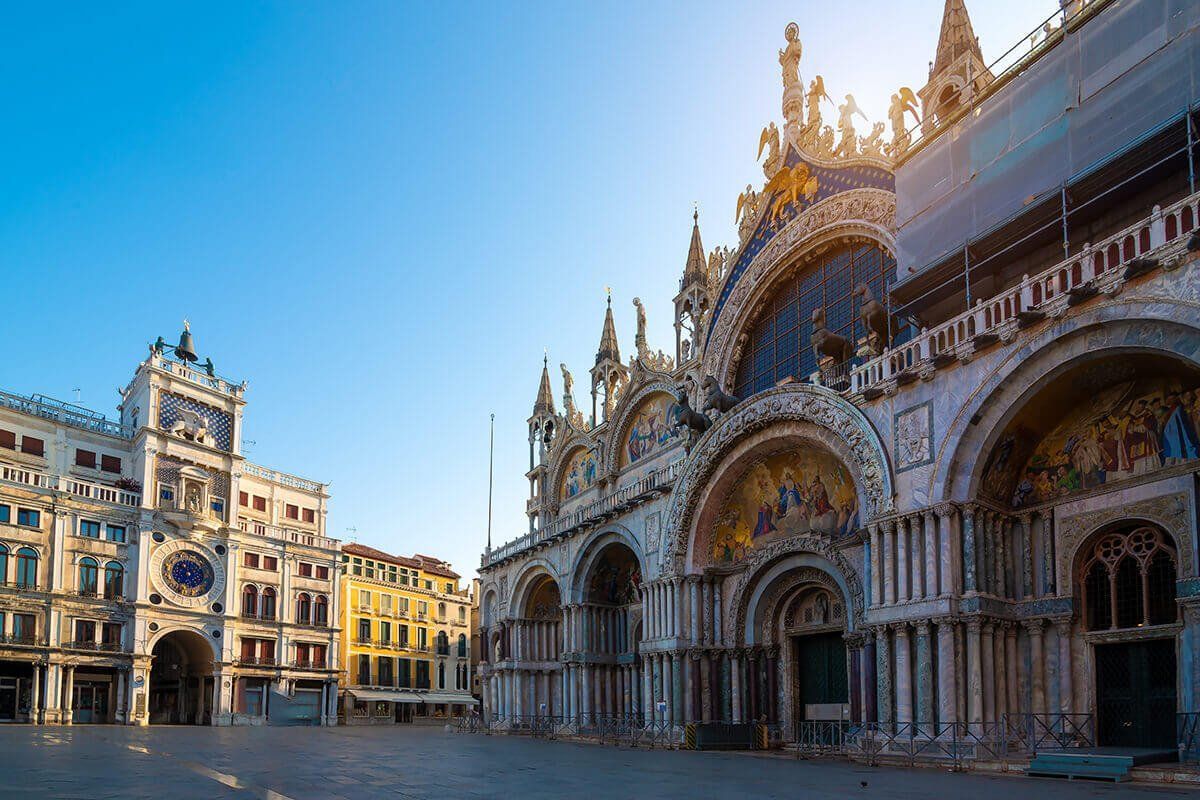
Did you know? In Venice, bankruptcy was once particularly significant and brought great shame on the failed banker. At the time of the Republic of Venice, bankers had their benches under the porticoes of the Doge’s Palace, in the famous St. Mark’s Square. When a banker went bankrupt, his bench was broken, which is precisely where the term bankruptcy (in Italian “bancarotta”, broken bench) comes from.
What happened if a banker in Venice became insolvent?
The breaking of the bench took place in a very theatrical way and was a real public humiliation for the banker. Appointed officials smashed the banker’s work table with axes, right in front of everyone in the square. This gesture showed that the banker was no longer able to guarantee security and reliability in handling money.
Bankruptcy at the time of the Republic of Venice
Bankruptcy in Venice was greatly feared, as it had consequences not only for the failed banker, but also for his family and his creditors. If a banker became insolvent, he was arrested and his assets were seized to pay off his debts. His family was forced to leave the city and the banker himself was banished from the Republic.
Furthermore, the banker’s creditors had the right to recover their money from anyone involved in his business activities, including the staff he employed. This meant that even those who had worked for the banker could be forced to pay their employer’s debts.
Conclusions
In short, bankruptcy in Venice was a real tragedy for the failed banker and his family, but also for the creditors and for anyone involved in his business activities. The breaking of the bench was a public humiliation with long-term consequences for the lives of those involved. Today, the term bankruptcy is still used to describe the failure of a company or an individual who is no longer able to pay their debts.