BLOG
Discover the History, Art, and Events at Palazzo delle Prigioni in Venice
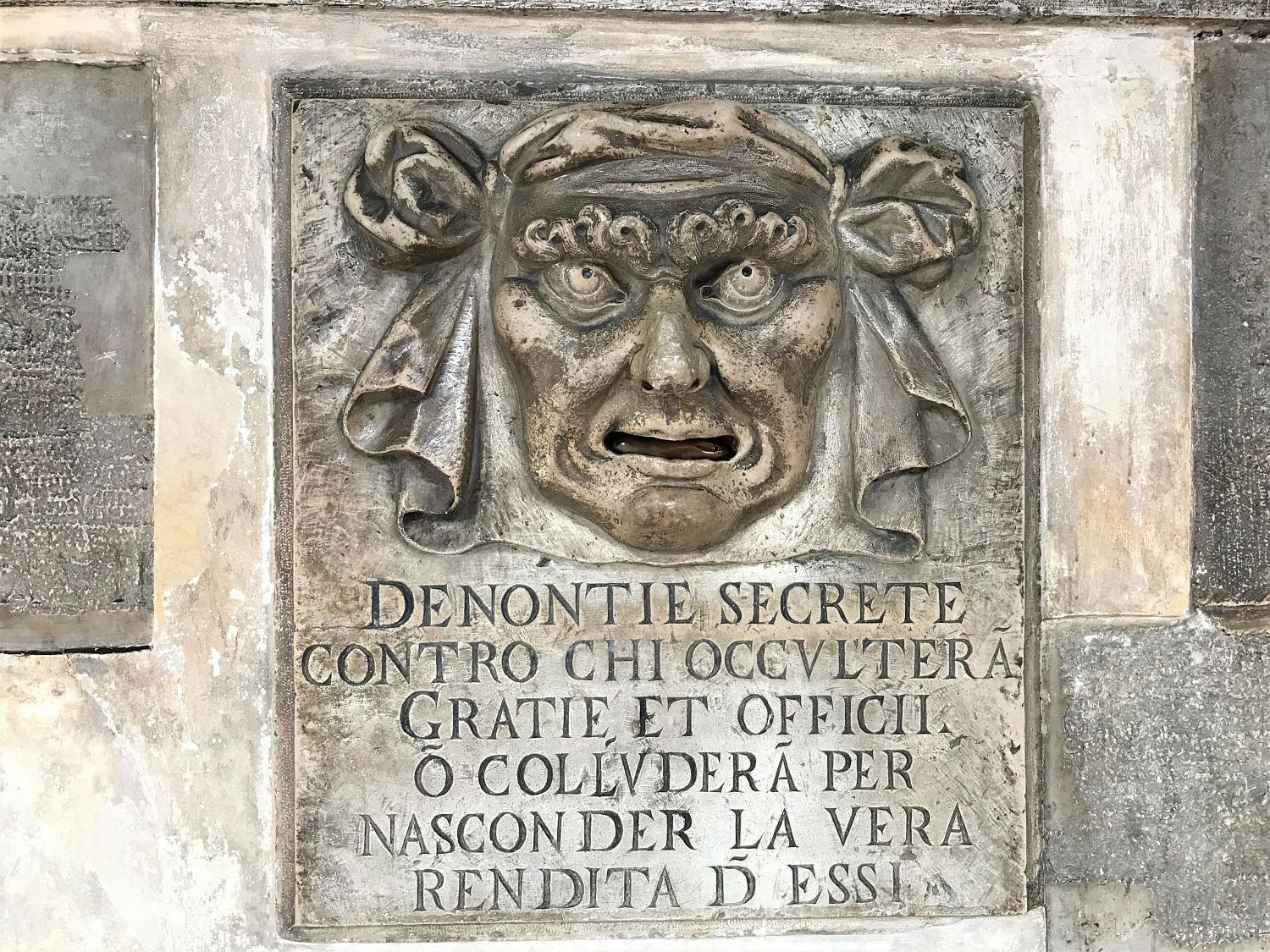
The Lions’ Mouths were stone boxes around Venice that collected secret denunciations for the magistrates, the State Inquisitors and the Council of Ten.
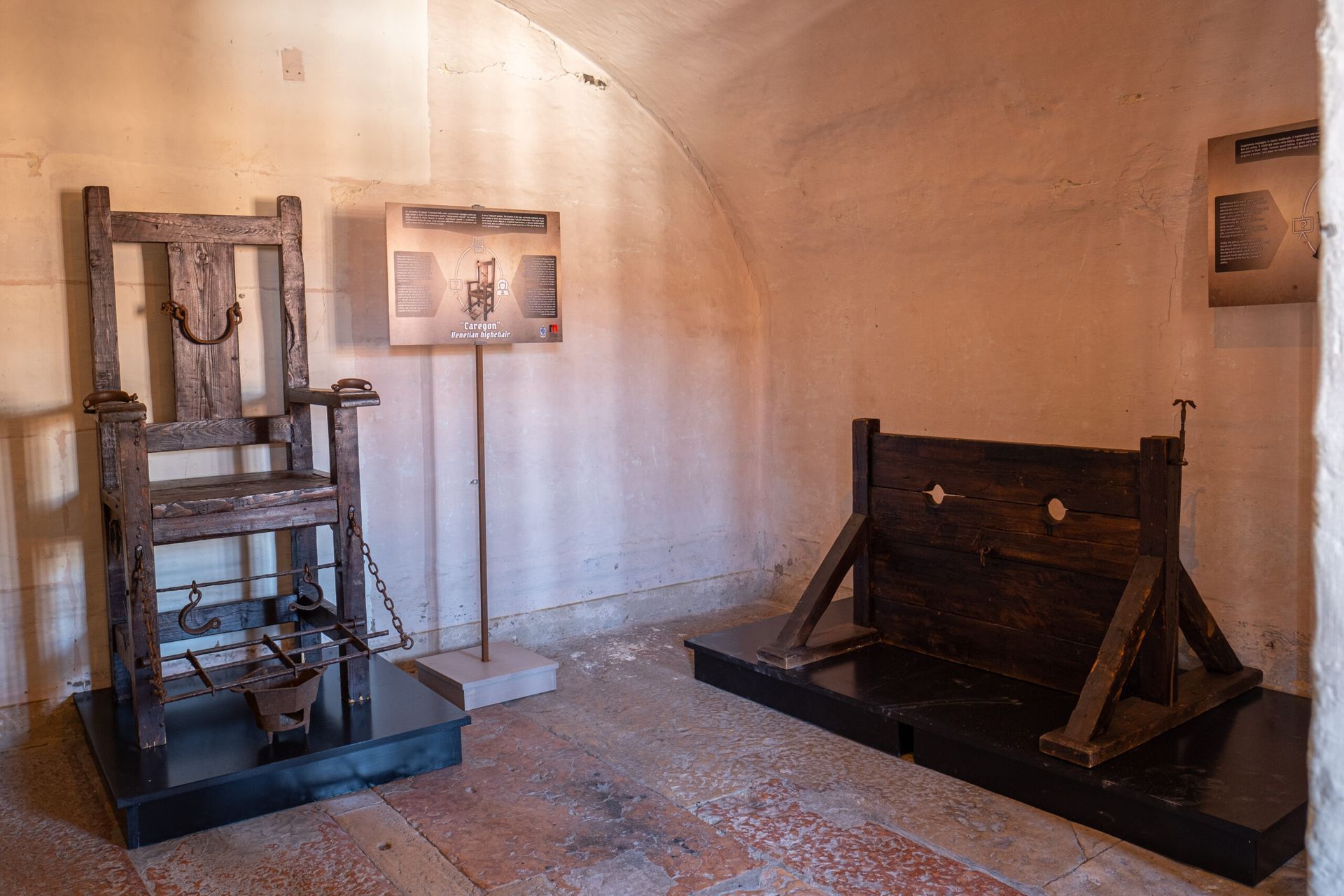
The Carégon, or torture of fire, burned the bare feet of the accused on a wooden seat with an iron grid: a fallback when the rope torture could not be used.
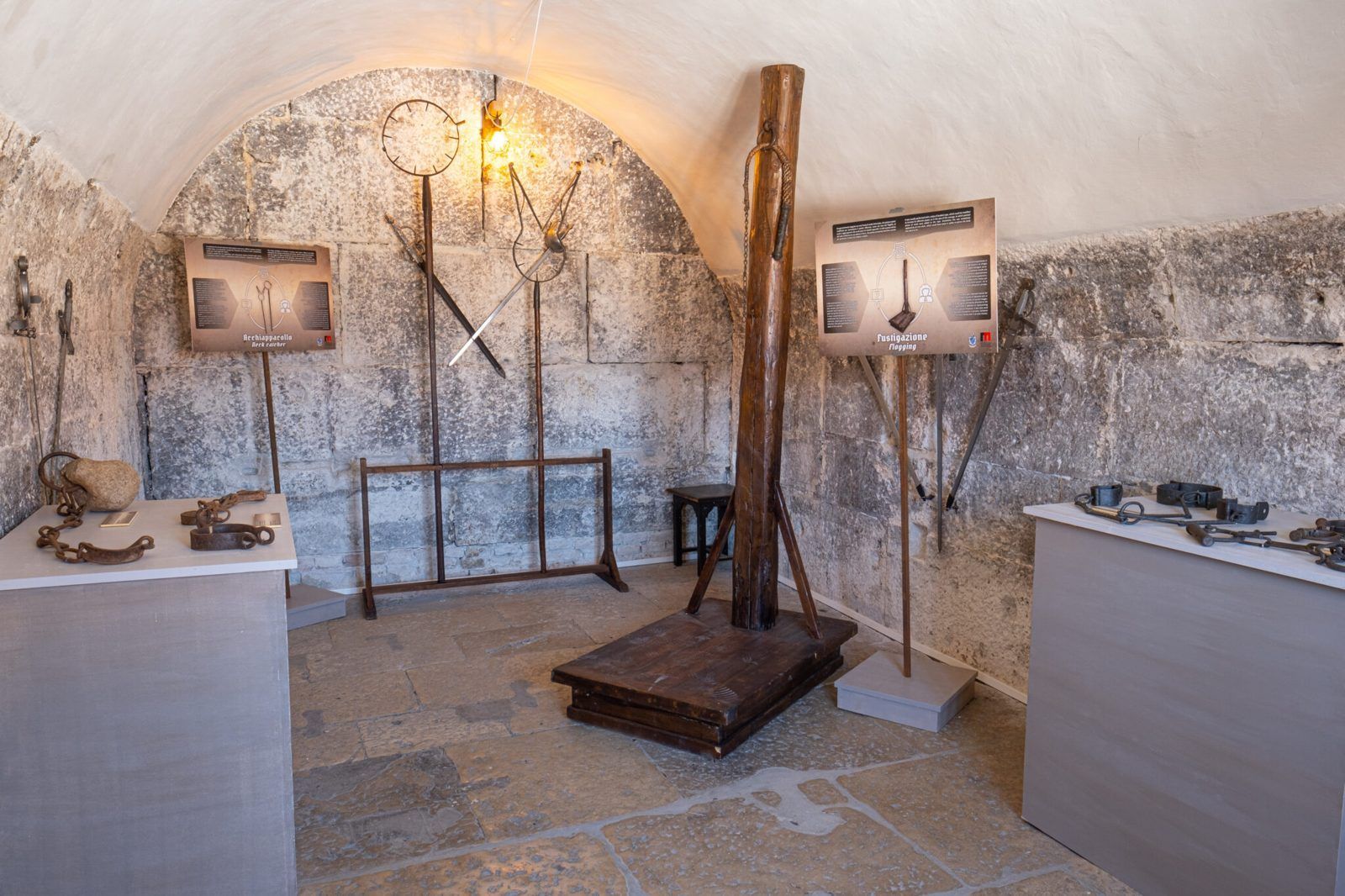
Flogging was one of the punishments of the 18th-century justice system: where it was carried out, with which whips and chains, and its effects on the condemned.
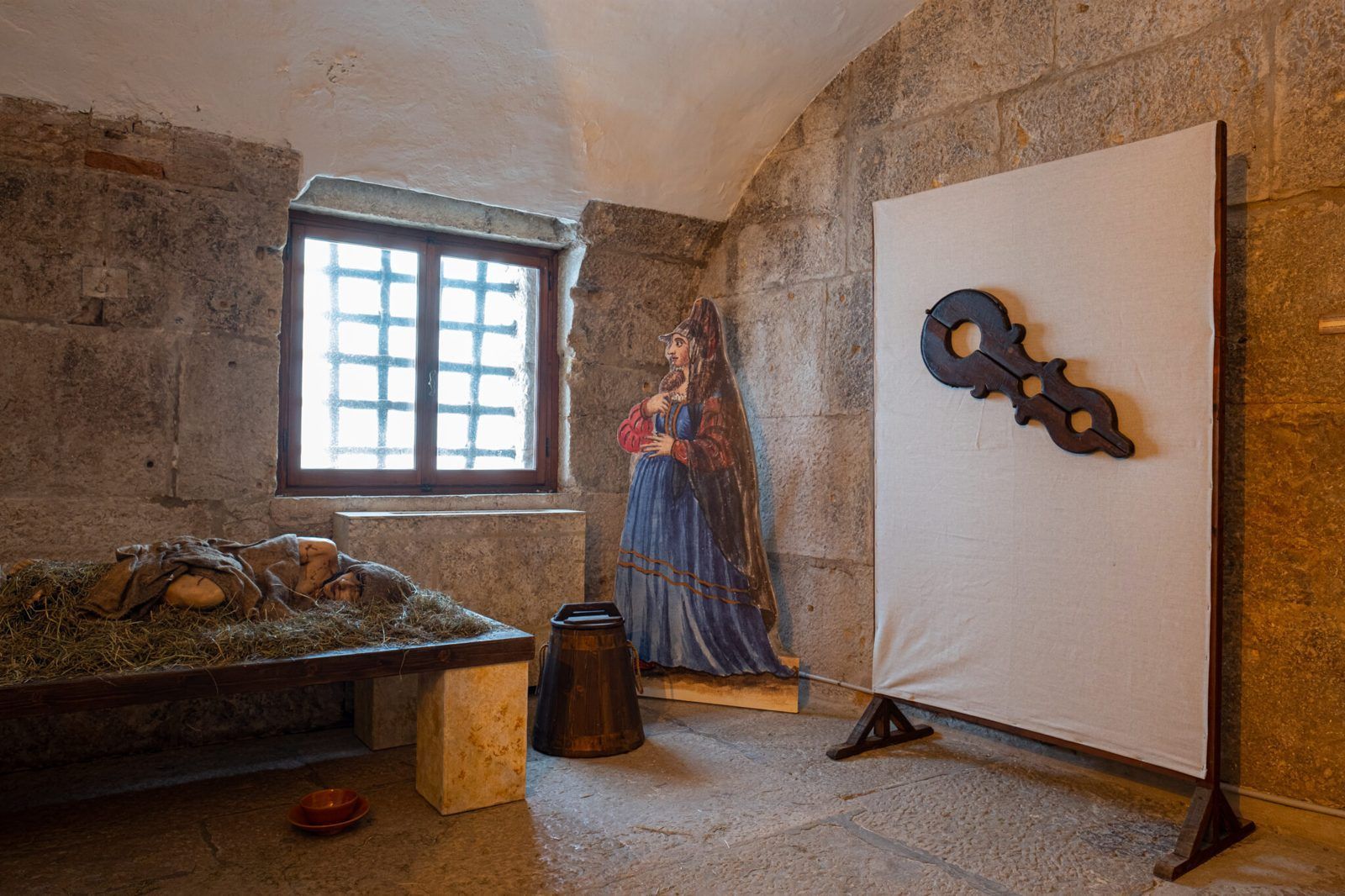
The stocks locked the ankles of the condemned so the soles of their feet could be whipped: history, curiosities and the jail of the Prison Palace in Venice.
The pillory exposed the condemned in the square to the mockery of the crowd: how it was used, who it was for, curiosities and the jail of the Prison Palace.
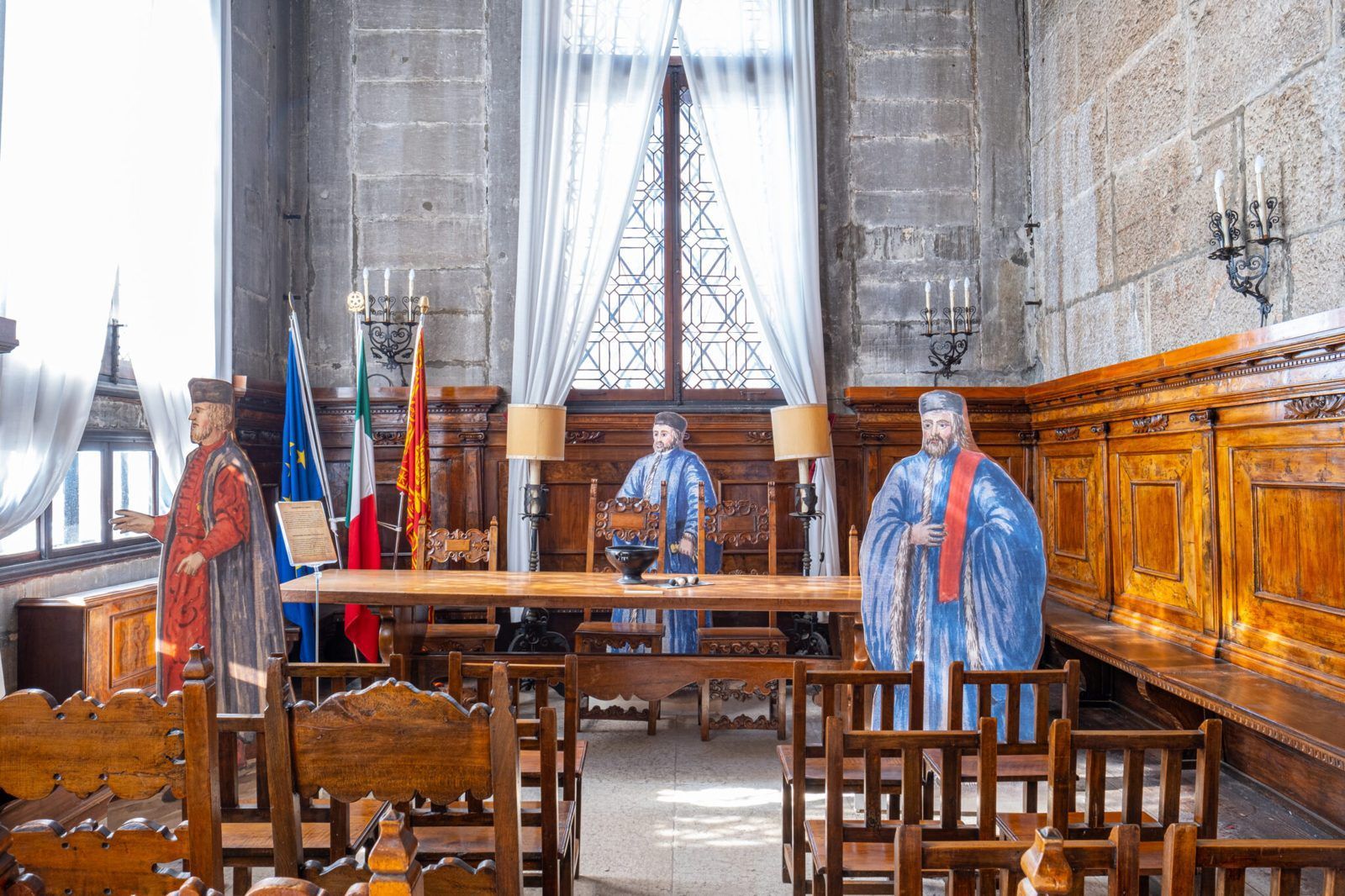
Who organises the National Criminological Exhibition at the Prison Palace: the curators Roberto Paparella and Maurizio Roccato, their training and experience.
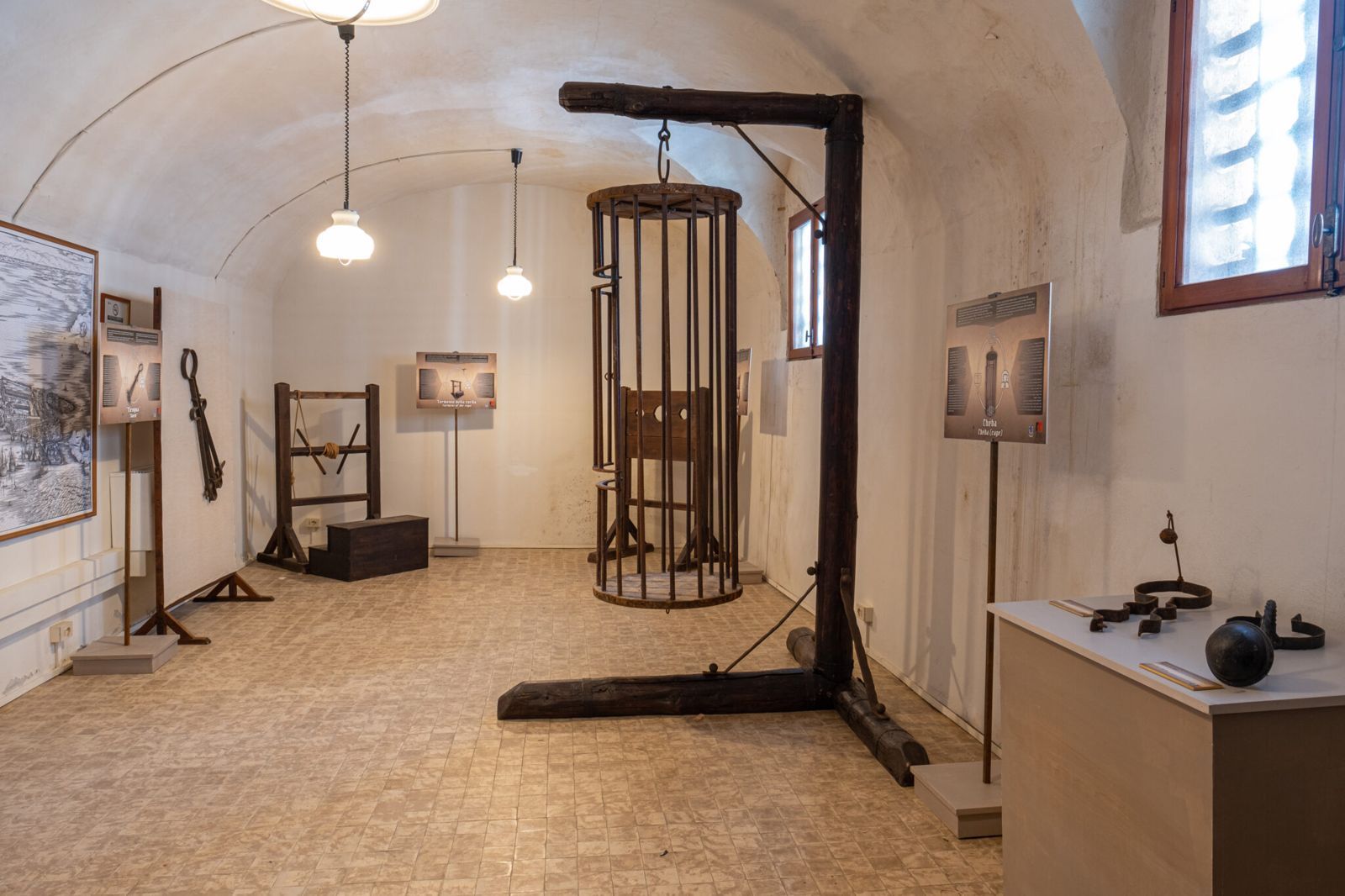
The Chèba was the hanging cage in which the Republic of Venice locked up the condemned, even on St. Mark’s bell tower: origin of the name, history and curiosities.
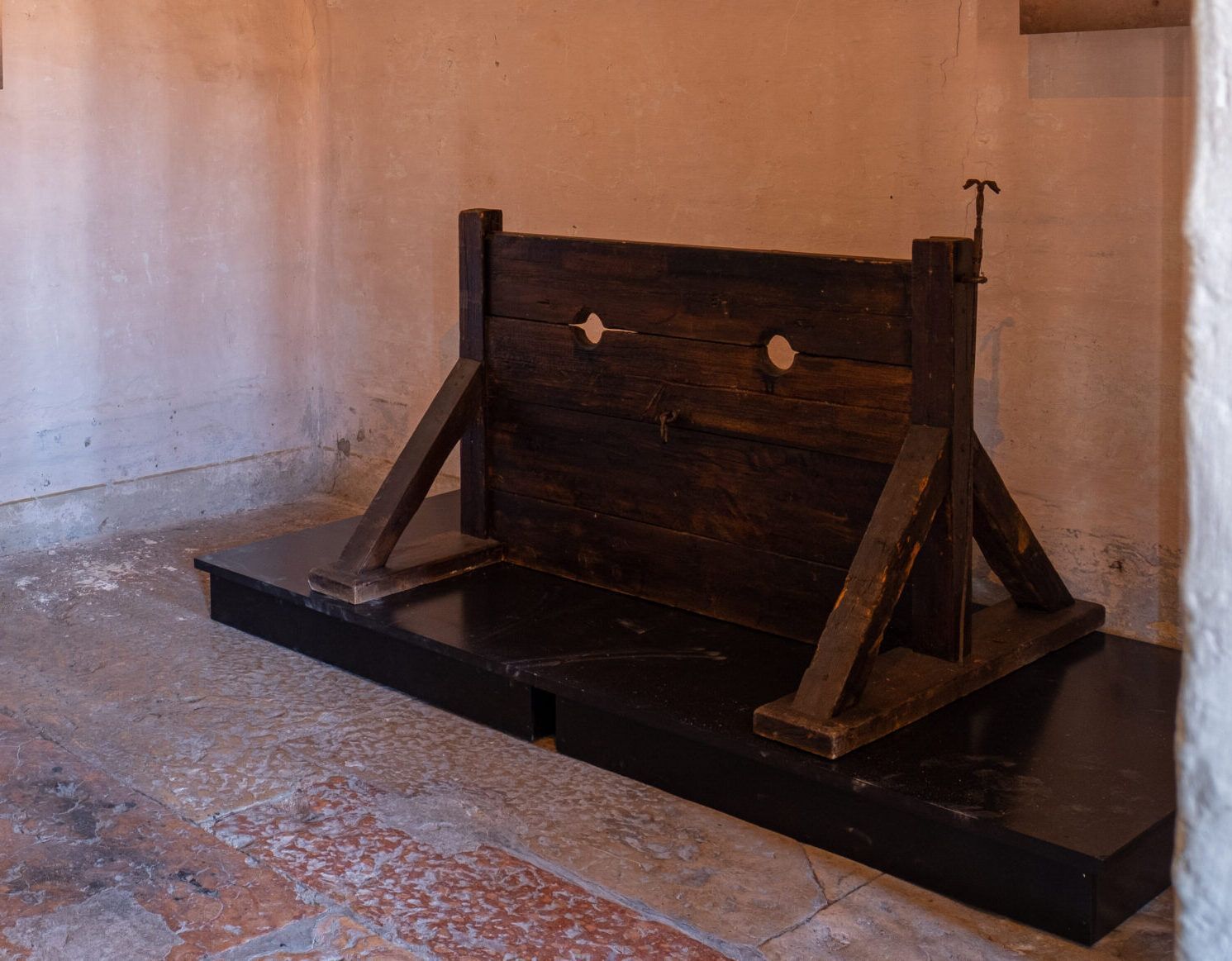
The pillory exposed the condemned to public scorn, in Venice first at Rialto and then between the columns of St. Mark: history, the infamous column and the saying.

The torment of the rope, or strappado, hoisted the accused on a pulley to extract a confession: how it worked, who was exempt and the rules of the torture.
Medieval tortures were often brutal. But which medieval tortures were most common in Venice? Find out in this article!