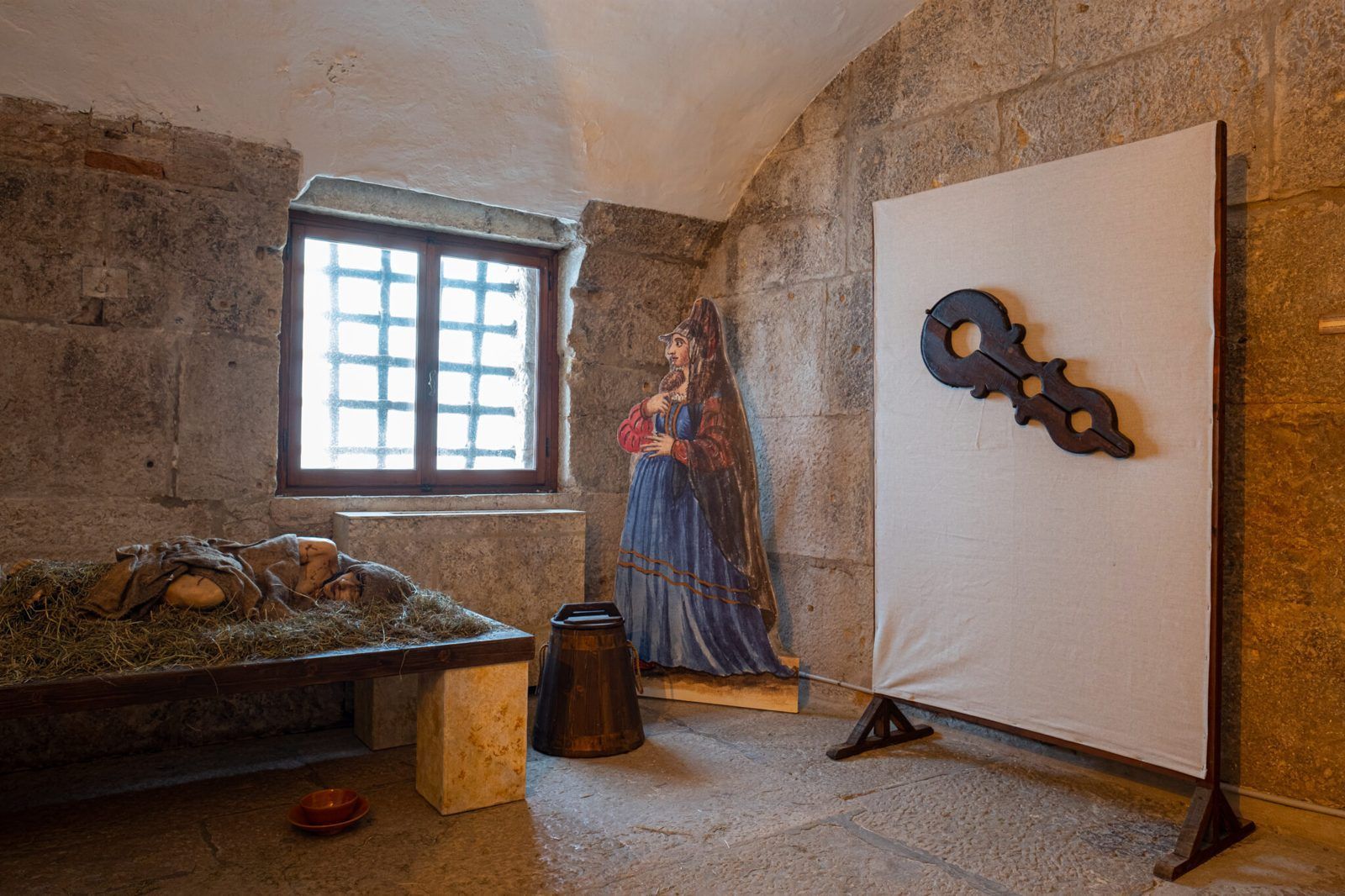
A punitive and torture device of the Middle Ages
The pillory was a punitive device used from the Middle Ages onwards. The condemned was locked in by the hands and feet and exposed in the public square, where the crowd made him the target of mockery, insults and abuse.
How the pillory was used
It was in fact common to take dung from the cesspits to smear his hair, nose and mouth, or to throw stones, burn the unfortunate victim or inflict wounds that were then covered with salt. At best, people would tickle his feet.
Who was sentenced to the pillory
The pillories were reserved for those guilty of minor crimes, and were set up in market squares and at crossroads. A sign was often hung around the offender’s neck or nearby, stating the crime he had committed. The punishment generally lasted a few hours or a few days.
The system remained in use for about a thousand years and was abolished in the 19th century (although it unofficially survived even longer, so much so that a case that caused quite a stir was recorded in Panama in 1995).
Curiosities about the pillory
As a curiosity, it is worth remembering that in 1703 Daniel Defoe, the author of “Robinson Crusoe”, was sentenced to the humiliation of this punishment on charges of libel against the Church of England.
The jail and the instruments of torture at the Prison Palace
The Prison Palace in Venice still offers the opportunity to see the instruments of torture, the cells and period costumes, and to discover stories and legends of a distant Venice. A piece of history that bears witness to the machines of death and torture once used as instruments of justice.