Music in the Republic of the Serenissima
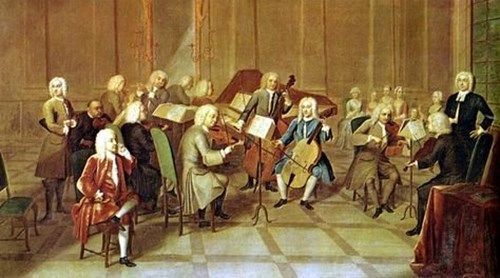
A great musical culture has always characterized Venice, especially between 1500 and 1800. Many famous travelers and writers such as Rousseau, Goethe or Wagner wrote about concerts and the incredible musical vivacity in the city, particularly during the famous carnival that lasted six months! Throughout this fantastic period, the city was full of concerts and balls, and so the music production was impressive: not only in the theaters, but also in the squares, in the churches, in the four Great Schools, and of course in the magnificent palaces of the rich families. After the Carnival, the music went on thanks to the musical seasons for Easter, Christmas and Lent, in addition to all the events for weddings, baptisms and private celebrations. An average of 2/3 musical events a day: just like an endless concert! This bustling activity lured a high number of Venetian and foreign musicians who created an intense artistic activity that was lacking in other cities of the world. This great creativity is also demonstrated by the invention of some modern instruments such as violins, made around 1500. Two curious ancient instruments (now present only in museums) that marked the music of medieval and Renaissance times are: “The Salterio”, a string instrument similar to a modern harpsichord, and the “Ghironda”, a keyboard instrument with some strings that became popular in the Paris courts. The music publishing industry was really flourishing and allowed the rapid diffusion of scores and arrangements from and to Venice. This industry experienced a crisis only in the 18th century, when the Northern European industries began to use very up-to-date technologies. In many historical travel diaries artists describe Venice as a “Musical City”.